

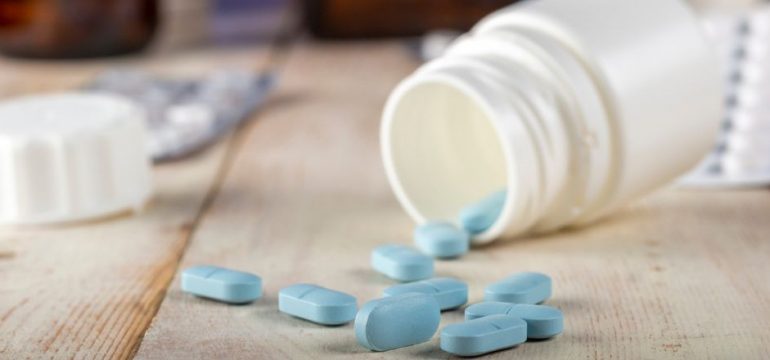
For any clinical team, the safe management of controlled drugs is a balancing act. You have to maintain rigorous compliance, protect your patients, and ensure your staff are supported—all while managing the daily pressures of a busy healthcare setting....
Many items used in everyday healthcare, veterinary and dental practices are disposed of immediately after use. Others may be autoclavable, but inevitably will reach the end of their lifespan. This results in high levels of daily clinical waste creation....
Pharmaceutical items used throughout healthcare routines require careful management to protect clinical teams, patients, and waste handlers from harm. This is especially the case with cytotoxic and cytostatic waste, both of which can be severely damaging if they come...
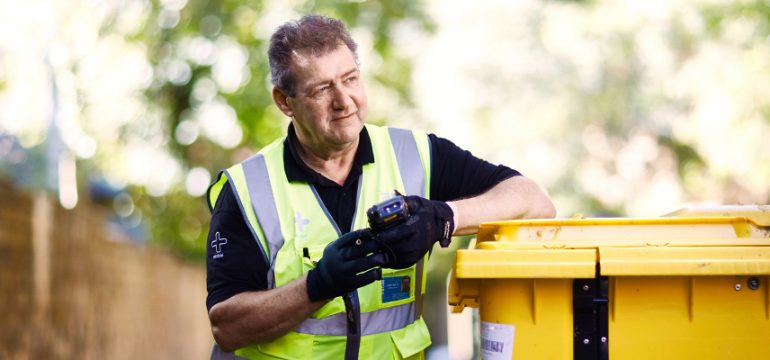
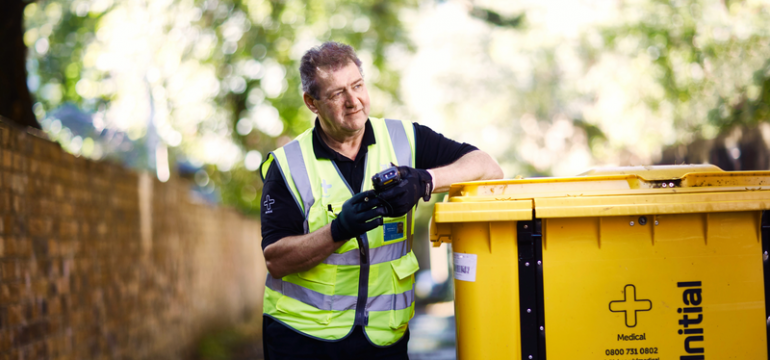
Every healthcare practitioner will need to safely store clinical waste items in the practice, often in large quantities. Wheelie bins offer an effective solution to waste storage, collecting items which can then be easily transported before collection. These must...

Recycling is one of the most important aspects of the waste management workflow, and helps healthcare practices look after the wider environment. Segregating recyclable items can substantially reduce the volume of general clinical waste produced by a practice. Depending...
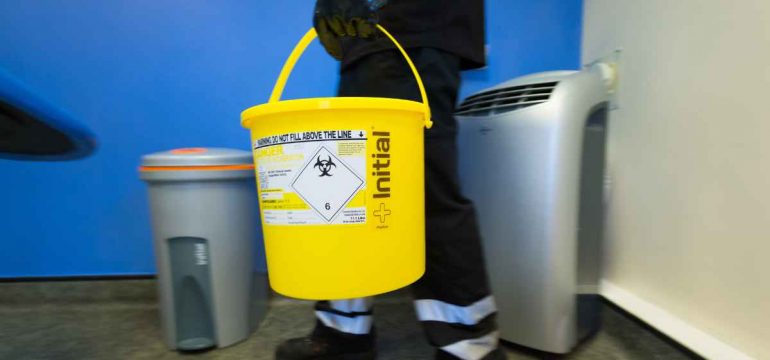
Improper sharps disposal creates serious risks. Needle injuries, infection transmission, and potential legal penalties. In the UK, the Health and Safety Executive (HSE) is responsible for enforcing sharps safety regulations, emphasising the need for robust protocols. Confidence in your...

Pharmacies and chemists will produce waste every day. They could operate within a hospital, supermarket or on their own premises. Managing waste items and ensuring they are safely disposed of will protect pharmacists, technicians, patients and the environment. The...

Laboratory clinical waste guidance The laboratory can use a number of different materials day to day, and produce a variety of hazardous solutions, which each require safe handling. Understanding key aspects of the waste workflow is vital for a...

Initial Medical teamed up with the British Association of Dental Nurses (BADN) for an up-to-date 2025 survey on inoculation injuries in dental care, and the results tell us changes can and should be made in practice. The results found...

Care home residents typically have various day-to-day needs, from social interaction to support with food, drink and self-care, as well as the provision of medication. Some pharmaceutical items will be simple to manage. Nurses and social care practitioners should...