
Pharmaceutical items used throughout healthcare routines require careful management to protect clinical teams, patients, and waste handlers from harm. This is especially the case with cytotoxic and cytostatic waste, both of which can be severely damaging if they come into contact with people and the environment in uncontrolled conditions.
Understanding how to safely dispose of cytotoxic and cytostatic waste is key for every healthcare team, even if these items are not regularly used in everyday routines.
What is Cytotoxic and Cytostatic Waste?
These two terms describe two different ways powerful drugs affect cells. Think of the difference in simple, memorable terms:
- Cytotoxic (The Destroyer): These pharmaceuticals are designed to cause severe damage to cells, often destroying targeted tissue outright. They are like a hammer that eliminates the problem.
- Cytostatic (The Inhibitor): These drugs operate by inhibiting cell growth and reducing the opportunity for further reproduction. They are like a tourniquet, cutting off the supply to stop the problem from growing.
Both types of pharmaceuticals are generally delivered by tablet, liquid, cream, or aerosol, but sharps will likely be contaminated throughout the preparation workflow, too. Most often, this waste will be produced in healthcare premises that treat patients with cancer, but immunosuppressants and some anti-viral drugs will also be of note, as well as medicines used in the treatment of rheumatoid arthritis and multiple sclerosis.
Prioritising Safe Handling
Because occupational exposure to cytotoxic and cytostatic medicines can be extremely dangerous, robust waste management measures are essential to mitigate risk. Clinical teams must remain vigilant against several potential routes of exposure:
- Dermal contact and absorption
- Inhalation of aerosols or drug particles
- Accidental ingestion or needlestick injuries
To ensure safety, clinicians should receive comprehensive training on handling these items if they are expected in the workflow. This training must cover every stage of the process, including drug preparation, administration, and final waste management.
Compliance Made Simple: The Two Key Regulations
The Control of Substances Hazardous to Health (COSHH) defines cytotoxic drugs as hazardous substances. This lays a framework for how to manage waste items that can cause notable harm to clinicians and their patients.
Health Technical Memorandum 07-01 (HTM 07-01) is an incredibly important piece of guidance for healthcare teams. This essential document clearly mandates the use of the waste colour code to manage cytotoxic and cytostatic waste items, simplifying compliant disposal methods for your team.
Quick Guide: Compliant Segregation & Disposal for Cytotoxic and Cytostatic Waste
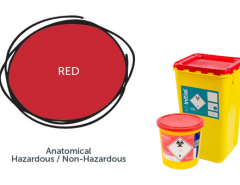
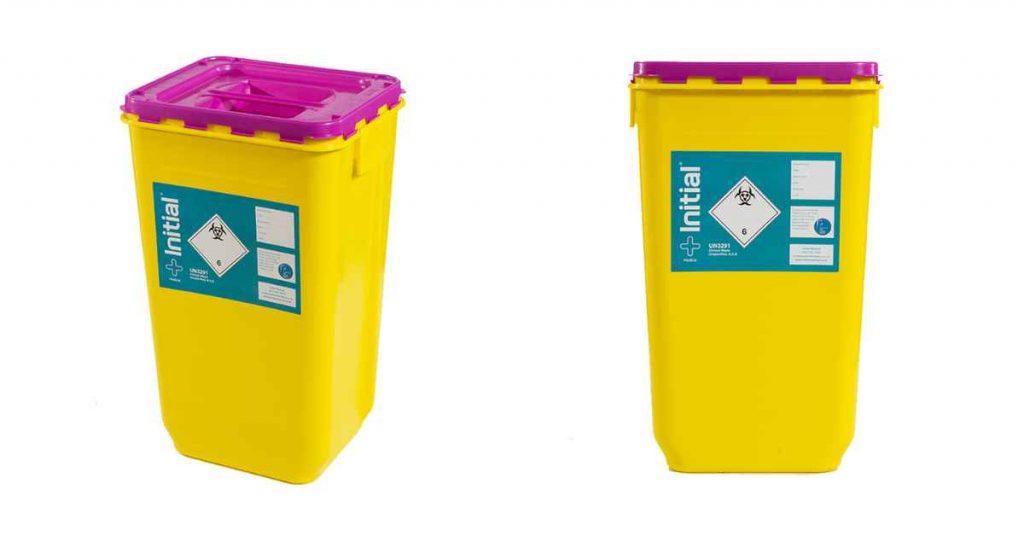
In line with HTM 07-01, a purple-lidded clinical waste container should be used for the safe storage of cytotoxic and cytostatic items. This ensures waste handlers clearly understand the hazards produced by the contained items, without needing to further inspect them.
Step 1: Choose the Right Container (The Purple Stream)
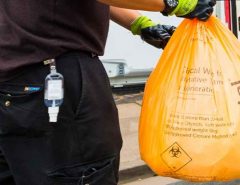
- Contaminated Non-Sharps: PPE, contaminated gauze, and disposable instruments should be placed in a purple-striped bag.
- Contaminated Sharps: Needles, syringes, and vials must be placed in a puncture-proof rigid container with a purple lid or label. These containers are essential to reduce the risk of percutaneous injury and infection.
- Solid/Liquid Medicines: Cytotoxic and cytostatic medicines (solid or liquid) must be placed in a rigid, purple-lidded bin. Note: Only a small amount of residual liquid waste is generally permitted in these containers as per HTM 07-01 guidance.
Step 2: Final Disposal
- All purple-stream waste is disposed of through hazardous or clinical incineration. This ensures the high-hazard material is fully destroyed, preventing exposure to people and the environment.
Home Treatment Patient Disposal
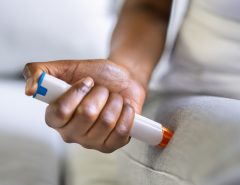
Patients may use cytotoxic and cytostatic pharmaceuticals as part of their treatment at home. These individuals will need to be provided with purple-lidded waste containers for safe storage after use, and their healthcare provider must have safe procedures in place to help collect this waste.
Key Exception for Domestic Waste:
While HTM 07-01 generally mandates strict separation of cytotoxic/cytostatic waste from all other pharmaceutical waste in clinical settings, there is a distinct exception for domestic (patient-produced) waste in England and Wales. Your collection procedures must clearly define the process for handling this home disposal.
Support from Initial Medical
The Initial Medical team partners with clinicians with the safe management of cytotoxic and cytostatic waste by providing key insights, as well as effective waste containers. This includes Eco Sharps Bins. These bins are compliant with all regulations, puncture-resistant for safety, and made from at least 40% recycled plastic, providing an environmentally-friendly solution.