

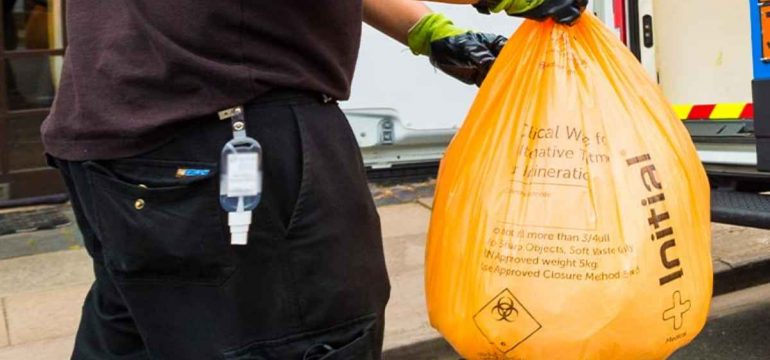
Clinical waste is produced in nearly every healthcare appointment, and depending on the types of hazards presented, items will be disposed of differently. What begins as a simple assortment of waste products can quickly vary in outcome following collection....

Managing clinical waste involves several key considerations for its collection, storage, and disposal, depending on the waste type. Depending on the hazards present, some are more stringent than others, such as those for anatomical waste, which is frequently handled...

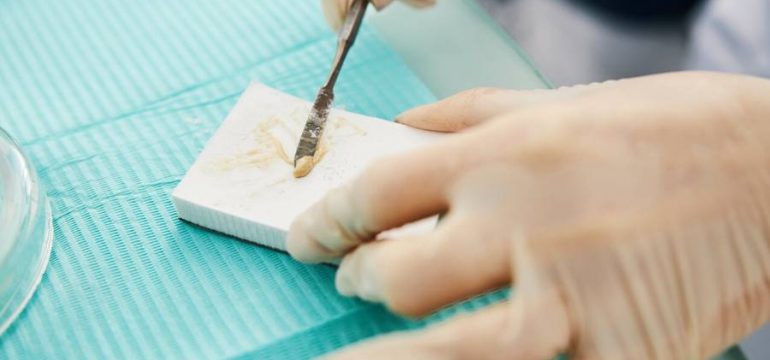
Amalgam has been a staple in restorative dentistry for decades, valued for its durability under high occlusal loads. However, managing its waste presents significant clinical pain points and a heavy administrative burden for modern practices. Between the intricate maintenance...
For most members of the dental team, waste segregation is little more than a routine part of the working day. The repetitive nature of everyday waste management means the correct bin is chosen almost unconsciously, yet every disposal decision...
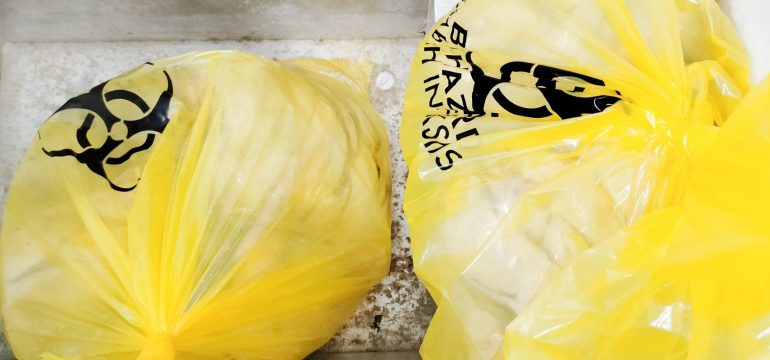
In healthcare services, it’s vital that all members of the team understand the prominent workflows that affect the safety of professionals and patients. This applies to clinical waste disposal, where items can pose a risk of harm immediately after...
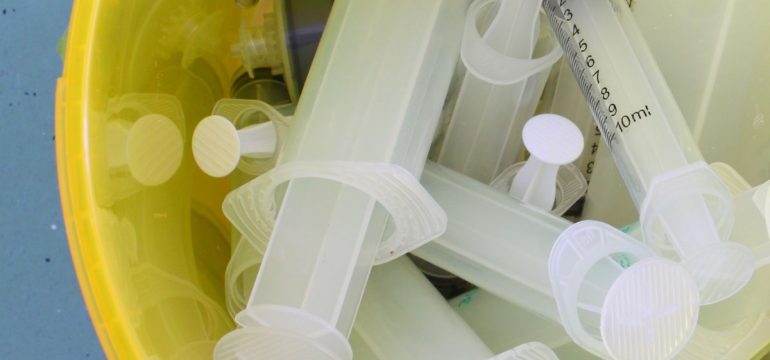
Clinical waste disposal in healthcare services is not always straightforward. A variety of waste items willbe produced every day, in various quantities, during different procedures. Each waste item needs to beassessed for the hazards it presents, and to ensure...
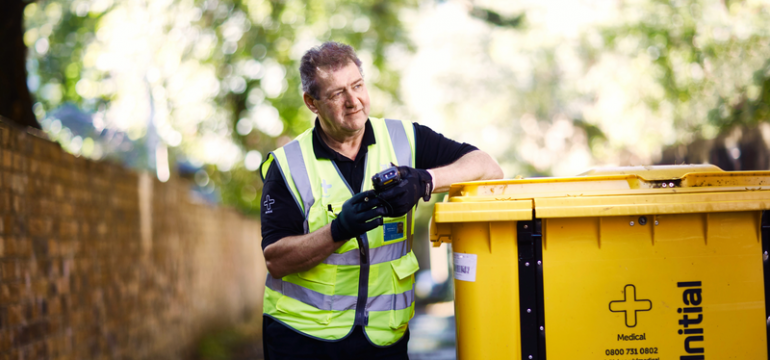
Many items used in everyday healthcare, veterinary and dental practices are disposed of immediately after use. Others may be autoclavable, but inevitably will reach the end of their lifespan. This results in high levels of daily clinical waste creation....
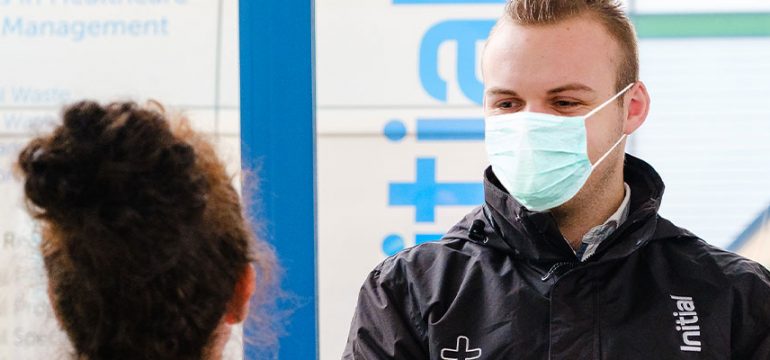
Pharmaceutical items used throughout healthcare routines require careful management to protect clinical teams, patients, and waste handlers from harm. This is especially the case with cytotoxic and cytostatic waste, both of which can be severely damaging if they come...

Every healthcare practitioner will need to safely store clinical waste items in the practice, often in large quantities. Wheelie bins offer an effective solution to waste storage, collecting items which can then be easily transported before collection. These must...

A pre-acceptance waste audit is much more than just a legal requirement for healthcare practices; it is a vital tool for ensuring the highest standards of patient and staff safety. By accurately categorising and managing clinical waste, you create...