

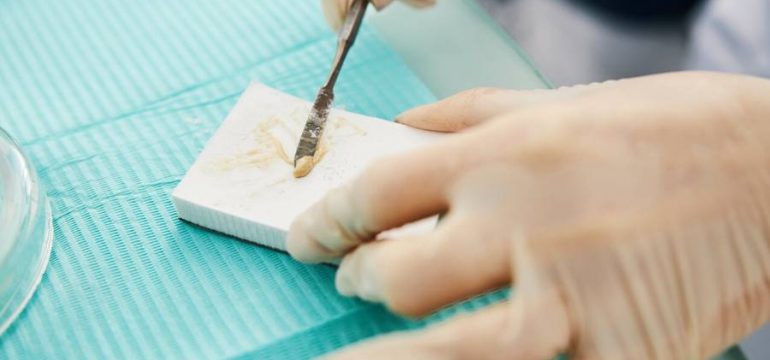
Amalgam has been a staple in restorative dentistry for decades, valued for its durability under high occlusal loads. However, managing its waste presents significant clinical pain points and a heavy administrative burden for modern practices. Between the intricate maintenance...
Pharmaceutical items used throughout healthcare routines require careful management to protect clinical teams, patients, and waste handlers from harm. This is especially the case with cytotoxic and cytostatic waste, both of which can be severely damaging if they come...

A pre-acceptance waste audit is much more than just a legal requirement for healthcare practices; it is a vital tool for ensuring the highest standards of patient and staff safety. By accurately categorising and managing clinical waste, you create...

Healthcare professionals carry out detailed waste management workflows for a wide variety of reasons. This includes the need to protect the environment around us and minimise infection risks for clinicians, patients and anyone else who may come into contact...

New rules surrounding food waste management and recycling take effect from 31 March 2025.The legislation requires all workplaces to separate the following waste after discussion with their waste collector: Most healthcare and social care practices are subject to these...


Did you know that marine plant life generates 70% of the oxygen we breathe?1 Ocean life is one of our most important ecosystems – keeping the oceans clean helps support those ecosystems. Yet humans continue to destroy them with...

Waste management in healthcare is crucial. Not only does the correct disposal of healthcare waste help keep people safe, but it is also more beneficial for the environment. So, how is healthcare waste categorised and why is proper waste...


Patients’ changing needs and higher expectations have shaped modern dentistry. They want a quality service, a holistic approach to oral care and stable treatment. Practices have adapted and evolved to meet these needs through effective Personal Protective Equipment (PPE).....

In a dental practice, hands are subjected to a number of threats. It’s a good idea to know what these threats are, so that you can choose the correct hand protection. The dangers to health The primary protective use...