


Dental professionals produce waste every day, from single-use PPE such as gloves and face coverings, to packaging for clean equipment. However, other common waste items are teeth – and clinicians must be prepared to manage them.
Every member of the dental team should know how to responsibly dispose of teeth dependent on the hazards that are present. This requires appropriate training, and an understanding of all clinical guidance.
Regular teeth
The first port of call for all dental waste guidance is Health Technical Memorandum 07-01 (HTM 07-01) from NHS England. It details the different waste streams used in the dental practice, as well as their connection to the clinical waste colour code.
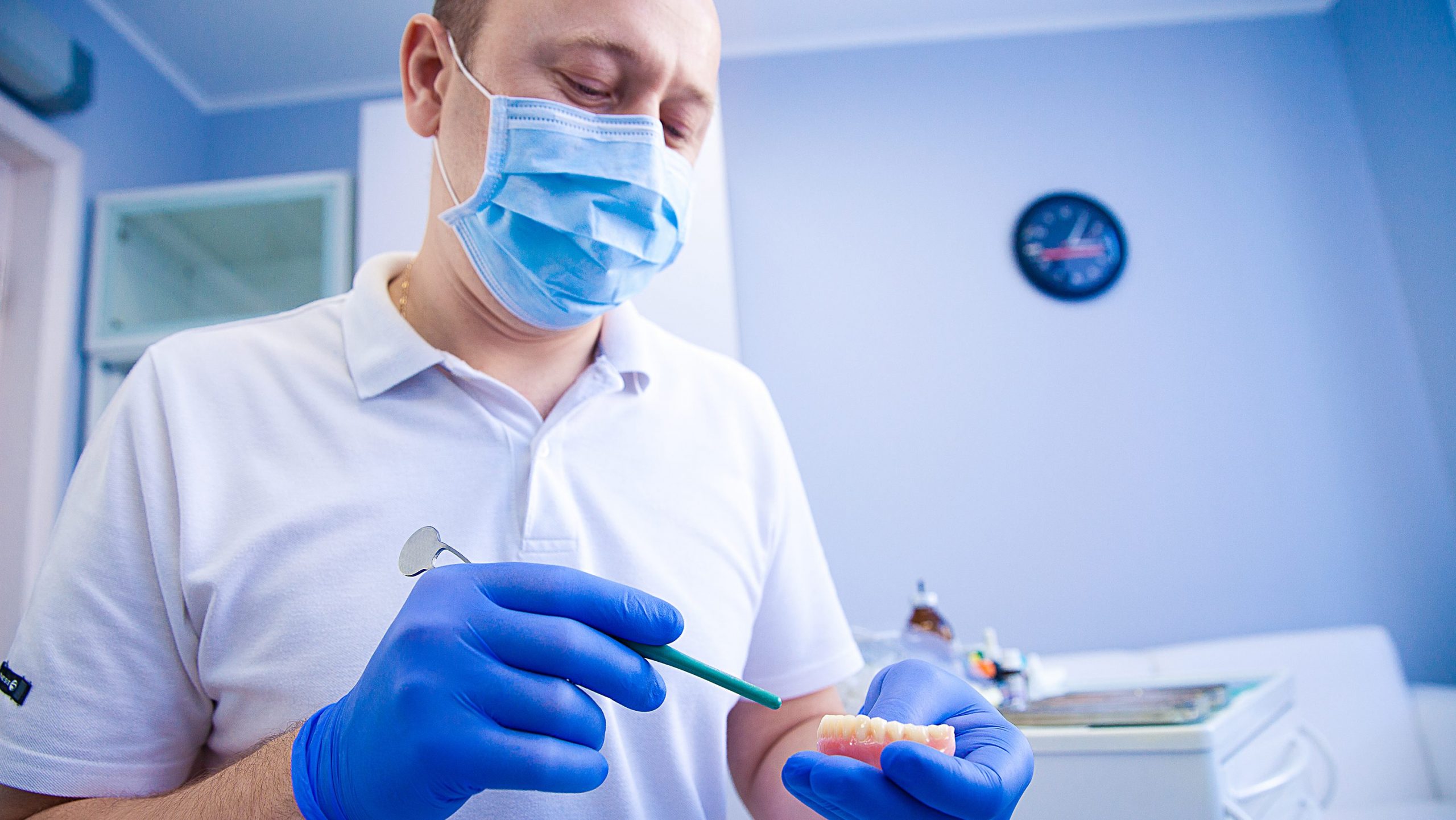
HTM 07-01 states that the disposal of teeth from a dental practice is unlikely to cause offence, meaning it can be treated as non-anatomical infectious waste. According to HTM 07-01, whole teeth without amalgam can be disposed of in yellow and black “tiger stripe” bags for offensive waste, provided they are wrapped securely to prevent puncturing the bag.
Amalgam-restored teeth
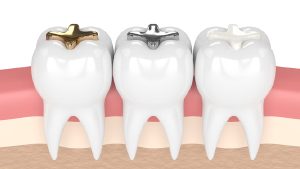
Many patients who present at a dental practice in need of an extraction will have had prior restorative care. Amalgam has traditionally been a primary choice for long-lasting restorations, but its mercury content presents a challenge.
Mercury in a vapour form can be extremely toxic and damaging to the immune system. When removed from the dentition, clinicians must ensure that the amalgam-restored tooth is contained to prevent such a risk, in a specialised solution.
This container needs to be sealable and made from puncture-resistant material, with an effective mercury suppressant. This final element is paramount, and ensures the container can be kept in the surgery without an increased risk of harm.
Hazard symbols relevant to mercury should also be present, and will include labels signifying the contents is toxic, and presents a long-term health and environmental hazard.
Dentures and implants
Dentures and implant restorations will need to be disposed of by the dental team based on any hazards that are present. Some dental technicians may have schemes to recycle dentures, but clinicians can always err on the side of caution and use a waste stream dependent on the risks present.
Typically, where there is no sharp hazard, this would utilise the offensive waste stream, but where there is a risk of infection a clinician should use the appropriate yellow or orange waste container.
Safe waste containers from Initial Medical
When choosing waste containers in the dental practice, it’s important to find a specialist waste management service that you can trust.
Initial Medical provides a range of solutions, within their PureGuard™ Dental Container Range, including a specialist PureGuard™ Toothbox allowing you to safely store amalgam-affected waste including previously restored teeth. Get in touch with the team today to learn more about dental solutions to keep your practice safe, compliant and protected.



Leave a Reply