


Amalgam has been a staple in restorative dentistry for decades, valued for its durability under high occlusal loads. However, managing its waste presents significant clinical pain points and a heavy administrative burden for modern practices. Between the intricate maintenance...
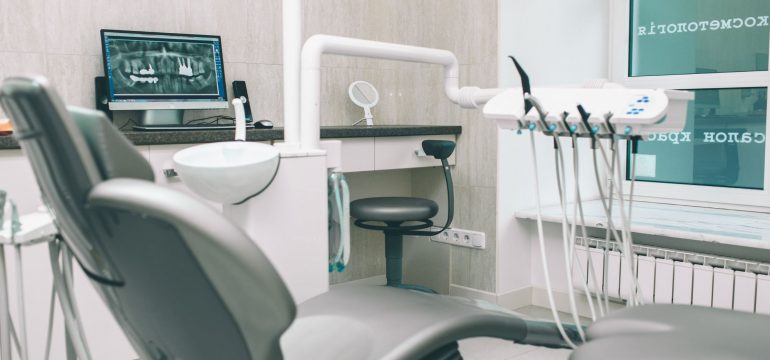
For most members of the dental team, waste segregation is little more than a routine part of the working day. The repetitive nature of everyday waste management means the correct bin is chosen almost unconsciously, yet every disposal decision...

Dental professionals produce waste every day, from single-use PPE such as gloves and face coverings, to packaging for clean equipment. However, other common waste items are teeth – and clinicians must be prepared to manage them. Every member of...

Keeping your dental practice clean and efficient is crucial, and that includes managing the disposal of old or redundant equipment. As we enter late spring, it’s a great time to review your storage areas and address any outdated items...

The smell of a dental practice heavily impacts the way people think, feel and act, even without us knowing. Fear of the treatment or equipment being used may be a recognisable cause of anxiety to patients, but smells encountered...


A dental practice needs to follow strict rules and guidelines around the storage and waste of various products and materials. Gypsum is no different. It is a key tool when producing three-dimensional models for treatment planning in orthodontic, restorative...

There are several reasons why the physical environment is so crucial for a positive patient experience. First impressions can have a significant impact on the perception a patient has of the practice, how they describe it to others and...


The concept of “Reduce, Reuse, Recycle” can be employed in dental practices as a way of boosting sustainability. Step one is about decreasing the amount of waste that is generated in the first place. This might involve replacing single-use...


Public health bodies acknowledge hand hygiene worldwide as one of the most important factors in preventing the spread of pathogens.1 Public awareness campaigns placed significant emphasis on the role of handwashing in slowing the spread of the virus during...

Within dentistry, stringent dental infection control measures are vital in order to protect patients and staff. Dental professionals must decontaminate their equipment, implement a dirty-to-clean workflow, and dispose of their waste correctly. However, infection control is a continuous battle,...