


Simple reminders for gold-standard waste management around the dental laboratory can be really helpful. Ensuring items are segregated appropriately is key to protecting staff and the environment.
Understanding why waste needs to be segregated is just one step to improved waste management. Splitting waste items into their respective bins at the point of disposal is vital, and colour-coding guides help this.
Why is dental laboratory waste segregated?
Waste segregation in dental laboratories is typically split by the colour code set out in Health Technical Memorandum (HTM 07-01), to keep hazardous materials out of otherwise safe waste workflows. This allows each item to receive the disposal treatment needed to protect people and the wider environment.
For example, gypsum is a typical waste material from a dental lab. Its high sulphate content can create dangerous and foul-smelling hydrogen sulphide gas when landfilled with biodegradable materials. Therefore, gypsum waste is separated into its own container, typically a white bin with a gypsum label (uncontaminated gypsum can also be disposed of in a yellow tiger-stripe bag), but it should not be mixed with offensive waste. Gypsum then undergoes recovery if it is non-infectious, or incineration at a permitted facility.
If the dental lab placed gypsum in the general offensive waste stream, it could be directed to landfill, and people and wildlife would be at risk of harm. Other waste items produced by the dental laboratory with different hazards, including infectious, chemical or pharmaceutical waste, can pose risks in similar ways.
How do colour waste segregation posters help dental technicians?
Waste segregation posters can be placed at points of use in the dental lab to serve as a reminder to separate waste and provide guidance on where each type of waste should go.
Some waste products can be confusing to separate, including when an item stops being simply infectious, requiring a yellow waste container, and becomes ‘known infectious’ as per HTM 07-01, which instead needs an orange bag or bin. Posters can specify the types of items included in each group, allowing lab technicians to make more confident and reliable decisions when they need to discard waste.
Can colour-code waste guides help my business?

Lab technicians don’t just need to focus on not putting hazardous items in a typically innocuous waste stream; they should also avoid placing inoffensive waste in a more extreme waste stream.
Some items require specialist treatment, and the cost of this is higher than that for simpler waste management. Limiting the items disposed of in costly streams and using them only when necessary can help to reduce costs. It is worth noting that these waste streams should not be avoided entirely, as regulatory compliance is still paramount.
Colour-code guides from Initial Medical
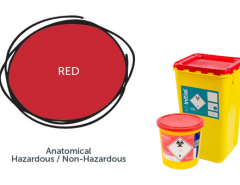
Dental laboratories can download free colour coding guide posters from Initial Medical, which can then be distributed as helpful reminders around the site. When positioned next to a dedicated container for a specific waste stream, technicians can double-check they are following the correct protocol.
In turn, these posters can protect staff, the environment, and the dental laboratory at large.


Leave a Reply