A pre-acceptance waste audit is much more than just a legal requirement for healthcare practices; it is a vital tool for ensuring the highest standards of patient and staff safety. By accurately categorising and managing clinical waste, you create a safer environment for everyone in the practice while fulfilling your compliance obligations.
Beyond safety, these audits provide a unique opportunity to streamline your daily operations. By understanding your waste patterns, you can optimise your workflows and focus more time on what matters most: exceptional patient care. Here are three key ways this simple audit can work to your advantage.
1. Efficient waste collections
A pre-acceptance waste audit is completed by a member of the practice or an outside auditor who may aid the process, and gathers information on the types of waste produced every day, the quantities created, potential risks posed, and key details about the practice.
This information is required by a waste management disposal service, which will then be able to direct the waste to an appropriate disposal site, whilst being confident that they can safely and legally handle each item. Completed correctly, a pre-acceptance waste audit should leave service teams with minimal questions and ensure efficient waste collection.
Time is valuable in everyday workflows and a key benefit of the audit. Clinicians will want to focus on providing high-quality patient care, thorough treatment planning, and avoiding time-consuming administrative tasks. The office team will also be keen to spend their time ensuring patients have a comfortable visit, whilst keeping the practice running smoothly.
If a clinical waste handler has full information before collection, the process can be completed quickly, and all team members can return to their routines with minimal interruption.
As mentioned, an external auditor may be of use to many dental practices. Not only can they ensure that data collection is thorough, but it may also allow a member of the practice team to spend more time completing vital everyday tasks.
2. Change your workflows
What happens when a new procedure, like conscious sedation, dramatically changes your waste profile? Since a pre-acceptance waste audit collects information relating to the waste produced day to day, it can be a key element when assessing prominent workflows.
Breaking down the types of waste produced and the volumes, within different areas of the practice, allows the team to make judgements on the types of waste containers that they have on site. If high volumes of clinical waste are being produced throughout the day, and containers need constant replacement, this may tell professionals that larger solutions are needed. This minimises the menial tasks of changing waste containers, creating more time for patient care.
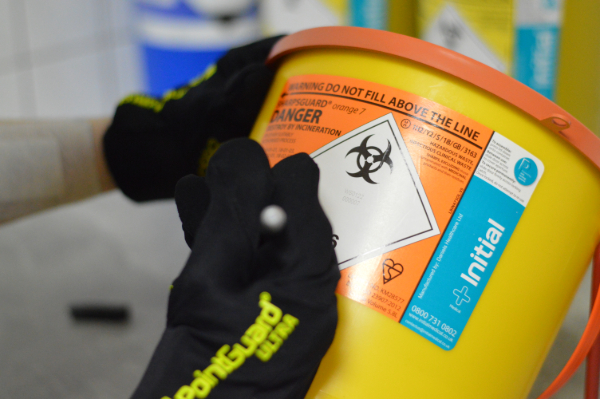
An audit could also highlight how waste production is influenced by workflow. For example, if a dental clinician in a practice works closely with anxious patients, they may find an increased need for sedation to provide safe, predictable care. This creates specific new waste items such as IV bags and connected items, which will need to be placed in a yellow waste container; this is specified by HTM 07-01 for infectious waste contaminated with medicines or chemicals, which requires disposal via incineration.
Once highlighted in a pre-acceptance waste audit, there is the opportunity for new, appropriate clinical waste containers to be procured, with effective reasoning behind them.
3. Celebrate success (or incentivise change)
For a majority of healthcare practices, minimising environmental impacts is a key focus. Clinical waste has the potential to contaminate the environment, harming wildlife and the world around us.
A pre-acceptance waste audit can highlight areas where a practice can reduce this further, for example, by increasing municipal waste bins in patient areas and encouraging a reduction in litter in local areas.
By assessing the properties of waste items, a practice will also be able to identify key problems, such as single-use plastic waste production. If it is a target to reduce this, a pre-acceptance waste audit can inform progress or identify areas for improvement.
If the clinical team has shared targets for waste products, and a pre-acceptance waste audit highlights success, there could be cause for celebration.
Support for your audits
Initial Medical provides leading support for dental teams, including the completion of pre-acceptance waste audits. Clinicians can contact our waste management experts today and find advice on completing a pre-acceptance waste audit, changes to make to the practice, and new containers for safe waste segregation.
Get in touch today, or find a wide variety of healthcare waste containers on our website.