

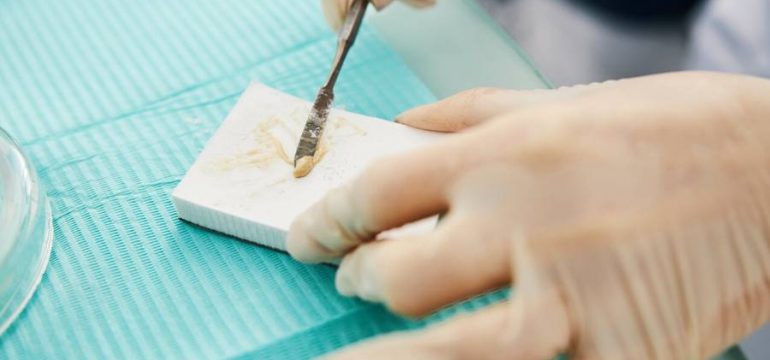
Amalgam has been a staple in restorative dentistry for decades, valued for its durability under high occlusal loads. However, managing its waste presents significant clinical pain points and a heavy administrative burden for modern practices. Between the intricate maintenance...
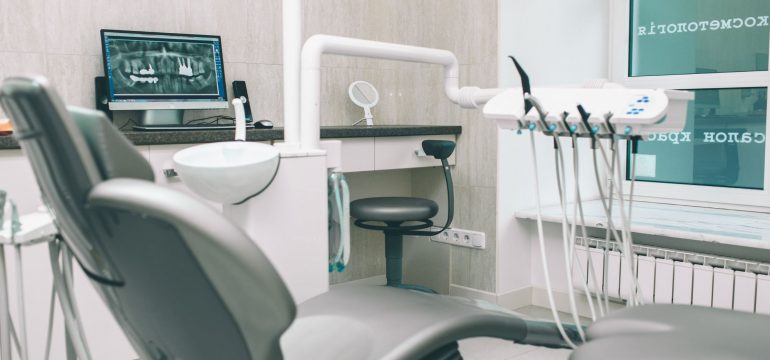
For most members of the dental team, waste segregation is little more than a routine part of the working day. The repetitive nature of everyday waste management means the correct bin is chosen almost unconsciously, yet every disposal decision...
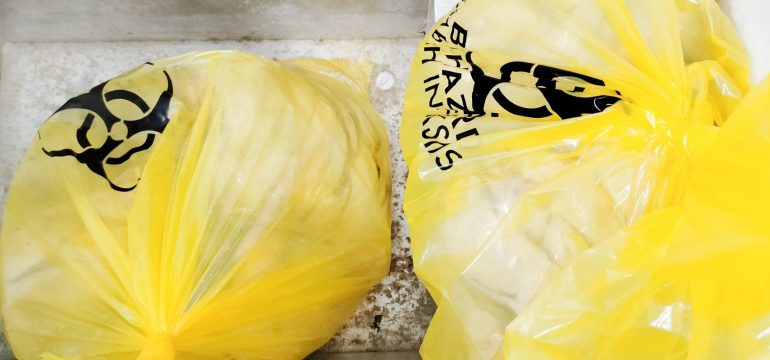
In healthcare services, it’s vital that all members of the team understand the prominent workflows that affect the safety of professionals and patients. This applies to clinical waste disposal, where items can pose a risk of harm immediately after...
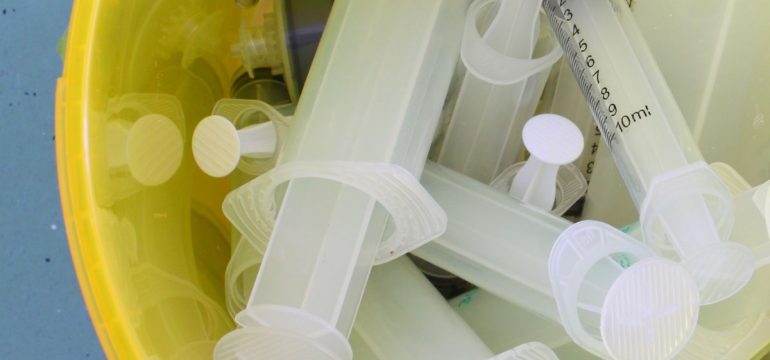
Clinical waste disposal in healthcare services is not always straightforward. A variety of waste items willbe produced every day, in various quantities, during different procedures. Each waste item needs to beassessed for the hazards it presents, and to ensure...
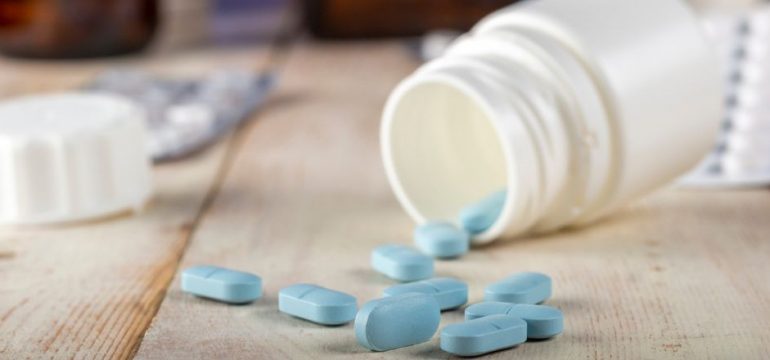
For any clinical team, the safe management of controlled drugs is a balancing act. You have to maintain rigorous compliance, protect your patients, and ensure your staff are supported—all while managing the daily pressures of a busy healthcare setting....

A pre-acceptance waste audit is much more than just a legal requirement for healthcare practices; it is a vital tool for ensuring the highest standards of patient and staff safety. By accurately categorising and managing clinical waste, you create...
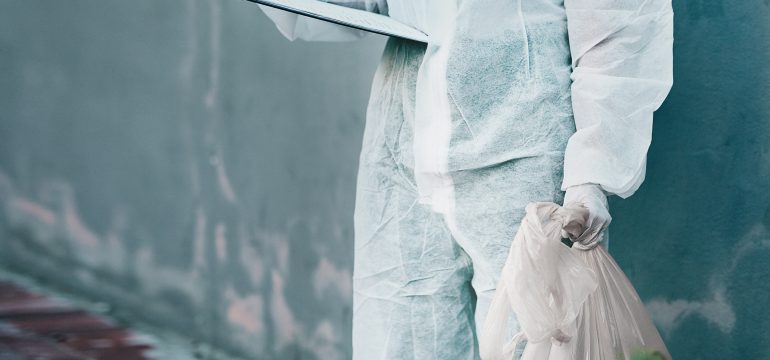
Healthcare professionals carry out detailed waste management workflows for a wide variety of reasons. This includes the need to protect the environment around us and minimise infection risks for clinicians, patients and anyone else who may come into contact...
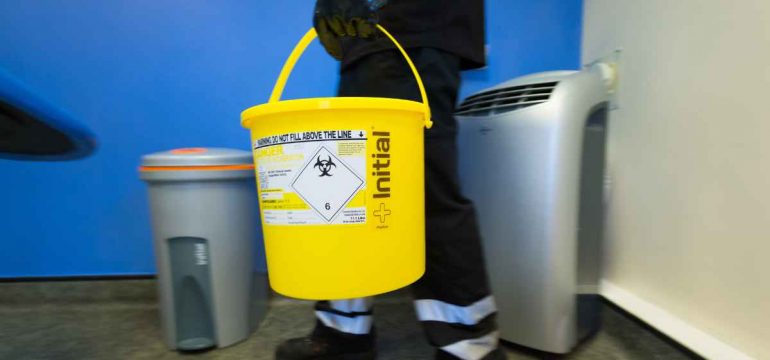
Improper sharps disposal creates serious risks. Needle injuries, infection transmission, and potential legal penalties. In the UK, the Health and Safety Executive (HSE) is responsible for enforcing sharps safety regulations, emphasising the need for robust protocols. Confidence in your...

Microbiological items in the laboratory workflow help make landmark discoveries, but they need to be managed safely when they enter the waste workflow. RPS 233 is a regulatory position statement (RPS) that affects all laboratories managing microbiological products. They...
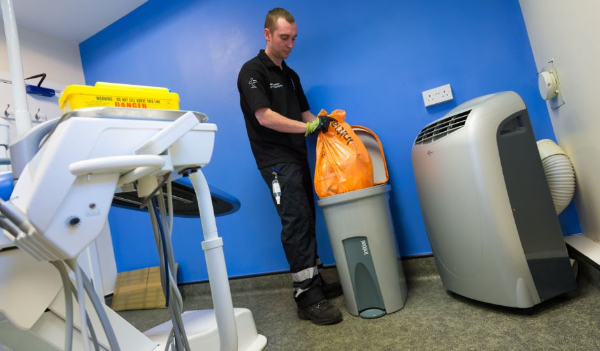
There is set guidance for segregating waste depending on the hazards it presents. One of these hazards is a risk of infection, which is influenced by patient health. What makes patient waste hazardous? For a waste item to be...