


A pre-acceptance waste audit is much more than just a legal requirement for healthcare practices; it is a vital tool for ensuring the highest standards of patient and staff safety. By accurately categorising and managing clinical waste, you create...
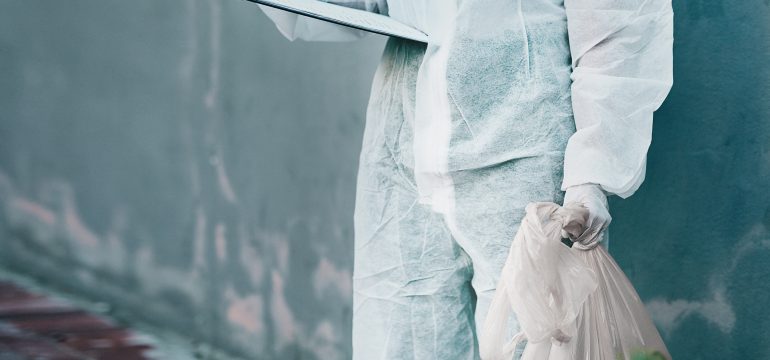
Healthcare professionals carry out detailed waste management workflows for a wide variety of reasons. This includes the need to protect the environment around us and minimise infection risks for clinicians, patients and anyone else who may come into contact...
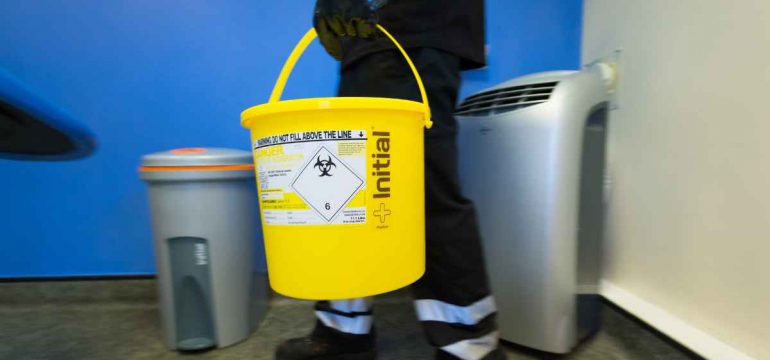
Improper sharps disposal creates serious risks. Needle injuries, infection transmission, and potential legal penalties. In the UK, the Health and Safety Executive (HSE) is responsible for enforcing sharps safety regulations, emphasising the need for robust protocols. Confidence in your...

A single mistake in hazardous waste disposal can lead to severe fines and harm to staff, patients, and the environment. Are you confident your hazardous waste compliance meets the legal standard? As a healthcare professional, you must actively manage...

Healthcare professionals use intravenous (IV) drips for a variety of reasons. These include providing key medicines, electrolytes, vitamins and minerals, but they are also used for sedation as an alternative to anaesthesia. Midazolam (a benzodiazepine) is the most commonly...

Pharmacies and chemists will produce waste every day. They could operate within a hospital, supermarket or on their own premises. Managing waste items and ensuring they are safely disposed of will protect pharmacists, technicians, patients and the environment. The...

When establishing a waste management system in a laboratory, it’s important to understand the guidelines and regulations that professionals are held to. These shape the workflows used daily, and ensure technicians and visitors are kept safe. It’s important to...

Our sense of smell is incredibly powerful and has been shown to have direct links to how comfortable we feel in a particular environment. It is the sense with the greatest emotional and sensitive impact, and it transfers directly...
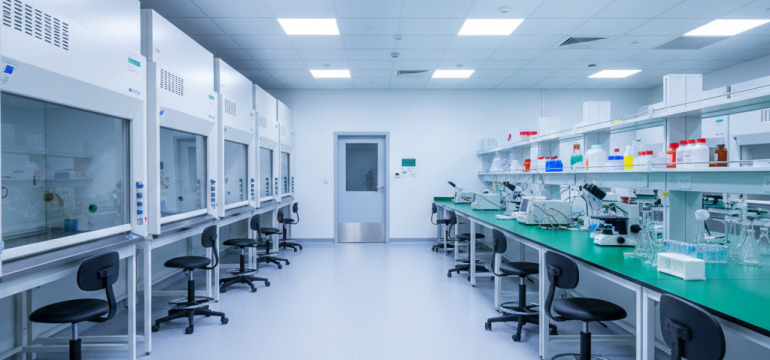
Laboratory clinical waste guidance The laboratory can use a number of different materials day to day, and produce a variety of hazardous solutions, which each require safe handling. Understanding key aspects of the waste workflow is vital for a...
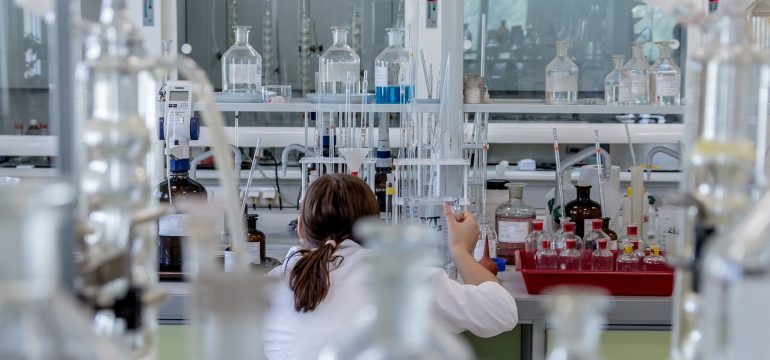
A modern laboratory setting produces a wide and complex array of materials, resulting in many different waste streams, from hazardous solvents and chemical residues to biohazardous materials and sharps. Optimising laboratory waste management, therefore, begins not just with selecting...