
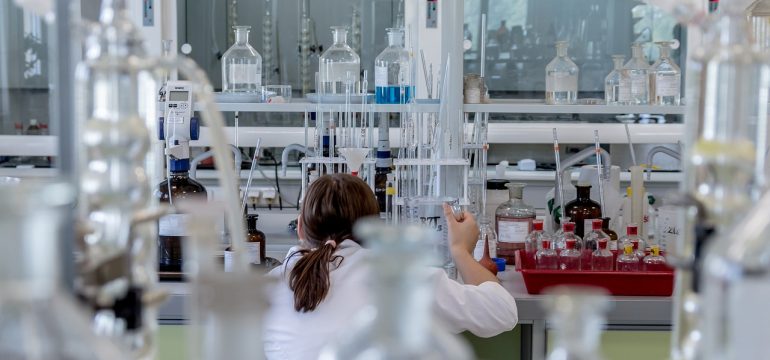

A modern laboratory setting produces a wide and complex array of materials, resulting in many different waste streams, from hazardous solvents and chemical residues to biohazardous materials and sharps. Optimising laboratory waste management, therefore, begins not just with selecting the right waste container, but with ensuring careful segregation is the first step in the disposal process.
A truly good waste container solution must facilitate this segregation, allowing each unique waste stream to be placed into its optimum container i.e. one designed specifically for its safe storage, regulatory compliance, and final disposal pathway. This meticulous matching of waste type to container attributes is essential for the seamless disposal workflow and for ensuring the safety of technicians, visitors, and waste management services alike.
Why do lab waste containers need to be specialised?
A variety of workflows can operate in a laboratory, utilising an array of products and materials that each present unique risks of harm to technicians, visitors, and the wider environment.
Lab waste containers need to help technicians manage these risks after an item is no longer needed. For example, a waste corrosive chemical needs to be safely stored to avoid injury or damage to property within the laboratory. The appropriate container should be designed to accommodate for such risks, and discussions with a specialist waste management service can help identify aptly suited solutions.
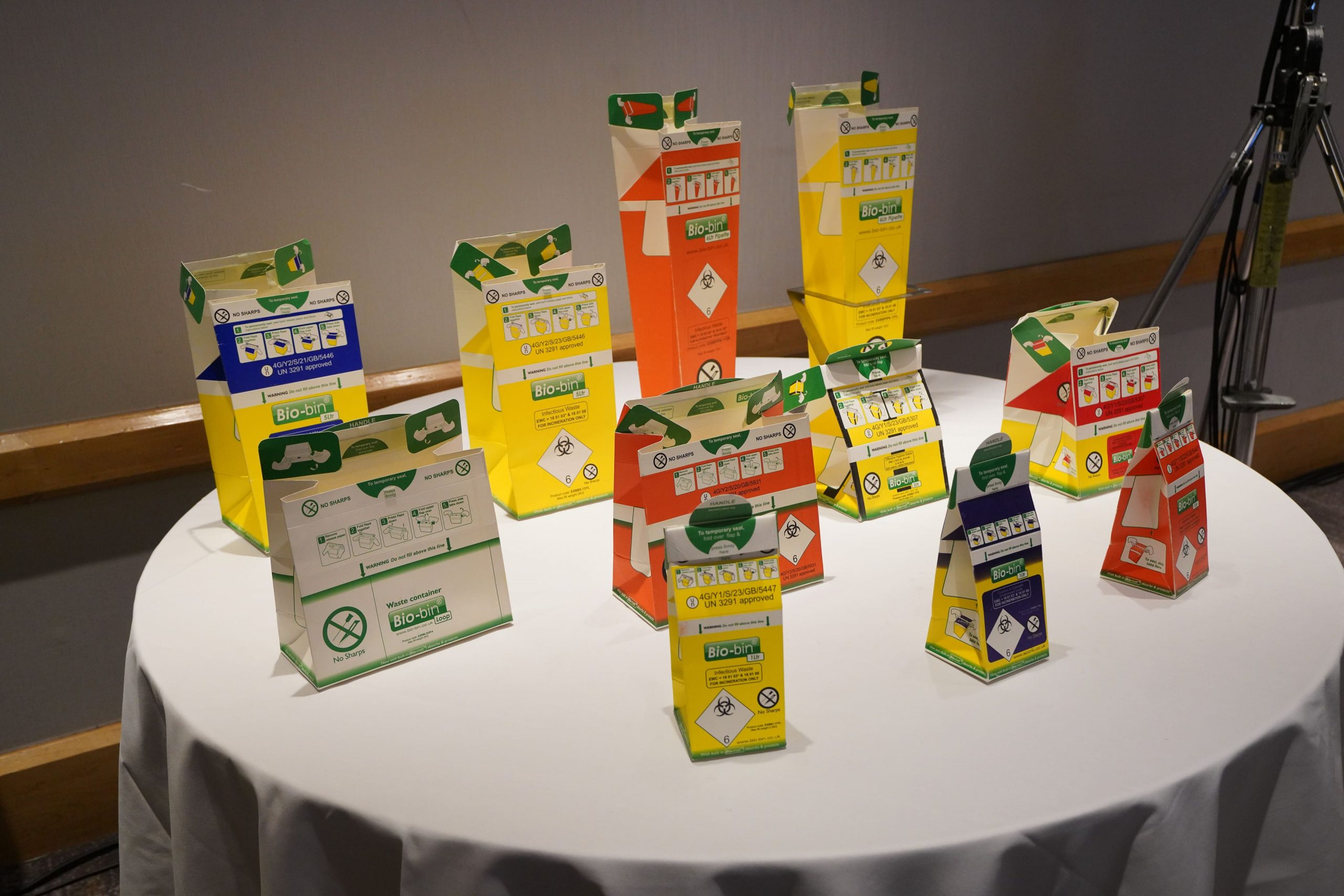
Specialised sharps bins will protect against injury and percutaneous wounds, enabling safe disposal of needles and blades, or even broken glass. Whereas the more sustainable Bio-bin containers can be used for pipette and loop disposal.
Sterilisation Requirements
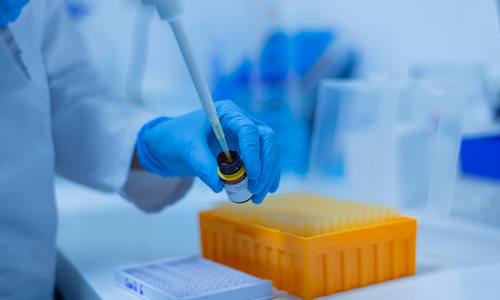
Furthermore, a crucial consideration for certain biological and clinical waste streams is the requirement for pre-disposal treatment. Waste that falls under specific categories, such as microbiological cultures or blood products, requires sterilisation before it can be taken away for final disposal. To support this vital process, autoclavable containers, which are designed to withstand the extreme temperatures and pressures required for effective sterilisation, add another layer of safety and compliance to the laboratory workflow.
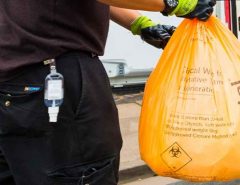
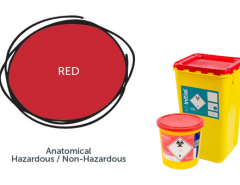
One must also consider how waste items are disposed of after collection by a specialist service. Depending on the risks presented, an item could be recycled, used at an Energy from Waste (EfW) facility, landfilled, incinerated, or treated in another way in line with Health Technical Memorandum 07-01 (HTM 07-01). To ensure this is properly carried out, waste containers are colour-coded to ensure each professional disposes of each separate item appropriately. This is in the same manner as healthcare and veterinary settings, but would seem out of place in other workflows.
How could waste containers change in the future?
Infectious waste items are commonly produced in laboratory workflows. Contaminated products often require specialised treatment before final disposal or destruction, but whilst stored and awaiting this intervention, technicians and visitors are still at risk of infection and disease, and the wider environment can be polluted too.
A recently released study investigated the potential for mini-bins equipped with ultraviolet (UV) lamps, finding they can effectively inhibit the growth of Staphylococcus aureus bacteria.
The research showed that UV radiation at type C wavelengths (200-280 nm) has the ability to damage DNA and cell structure of microorganisms, causing cell death, and limiting growth over the span of days. Staphylococcus aureus bacteria commonly form biofilms, and are especially prevalent in laboratory and hospital environments, making them an ideal subject for the test.
Innovations such as these mean that waste containers could see changes in the future, once further research cements these ideas as reliable and effective for use.
Eco-friendly and Specialist Containers with Initial Medical
Laboratory teams must also consider that the waste containers themselves are destined for disposal, and should be optimised to reduce their environmental impact. Recycled materials are key here, and set apart good solutions from great ones.
Initial Medical produces a comprehensive range of waste solutions tailored for modern laboratories, including our popular Bio-bins, clinical waste bags made from 30% recycled plastic, and colour-coded to be compliant with current regulations. These ensure items can be safely segregated based on their risks, protecting clinicians and waste handlers.
Alongside these, our sharps bins are also part of the sustainable range, and their puncture-proof design allows technicians to safely store a wider range of waste items, including needles, syringes and blades.
Eco-friendly containers with Initial Medical
Laboratory teams must also consider that the waste containers themselves are destined for disposal, and should be optimised to reduce their environmental impact. Recycled materials are key here, and set apart good solutions from great ones.
Initial Medical produces a comprehensive range of waste solutions tailored for modern laboratories, including our popular Bio-bins, clinical waste bags made from 30% recycled plastic, and autoclavable rigid containers which are all colour-coded to be compliant with current regulations. These ensure items can be safely segregated based on their risks, protecting clinicians and waste handlers.Alongside these, Initial Medical’s sharps bins are also part of the sustainable range, and their puncture-proof design allows technicians to safely store a wider range of waste items, including needles, syringes and blades.
Leave a Reply