

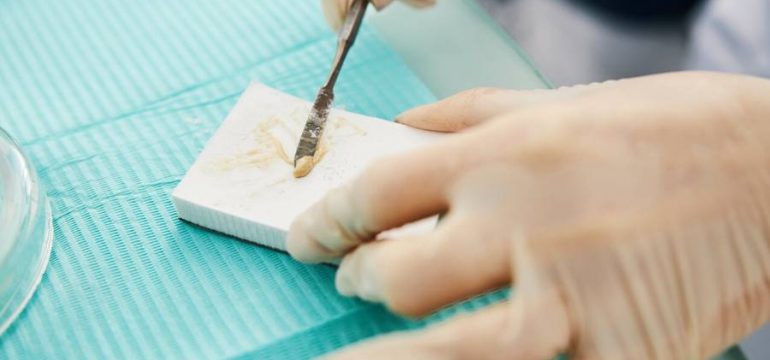
Amalgam has been a staple in restorative dentistry for decades, valued for its durability under high occlusal loads. However, managing its waste presents significant clinical pain points and a heavy administrative burden for modern practices. Between the intricate maintenance...

For most members of the dental team, waste segregation is little more than a routine part of the working day. The repetitive nature of everyday waste management means the correct bin is chosen almost unconsciously, yet every disposal decision...

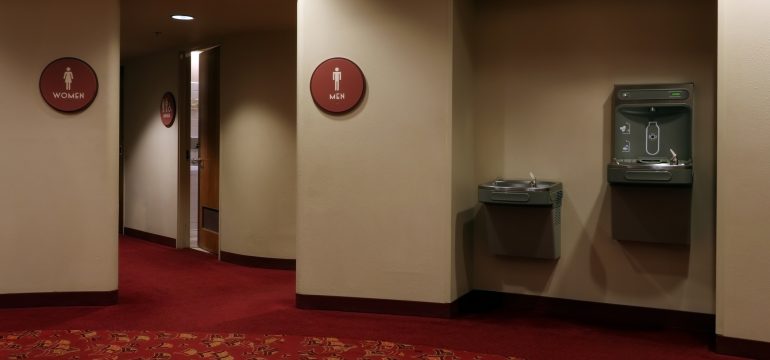
High-traffic entrances, lobbies and corridors in commercial buildings face constant footfall that quickly wears down flooring and increases slip hazards in wet weather. Every visitor has the potential to track in dirt and grit on their footwear, which acts...


Picture your dream summer getaway: sun-drenched beaches, poolside relaxation and vibrant local festivals. But while you’re busy packing your bags, invisible ‘germy’ hitchhikers could be preparing to join you wherever you go. To help ensure a great holiday, there...

In the modern office, the greatest threat to productivity isn’t a missed deadline or a technical glitch; it’s the invisible chain of infection spreading across desks, meeting rooms and washrooms. While leaders prioritise workflow and engagement, they often overlook...
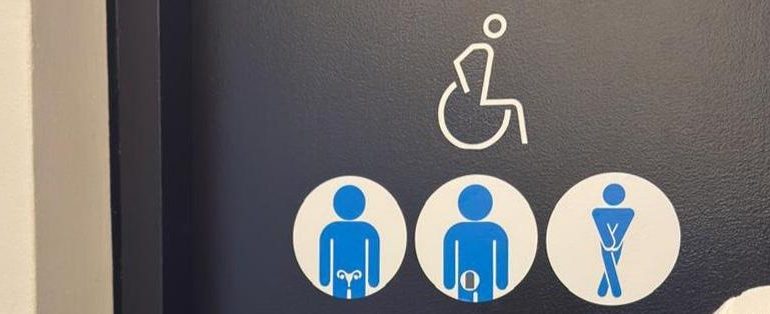
For UK facilities managers and commercial decision-makers, providing an accessible washroom has historically been treated as a straightforward compliance exercise, often symbolised by the standard blue wheelchair icon. However, modern corporate strategy and estate management require a more sophisticated...
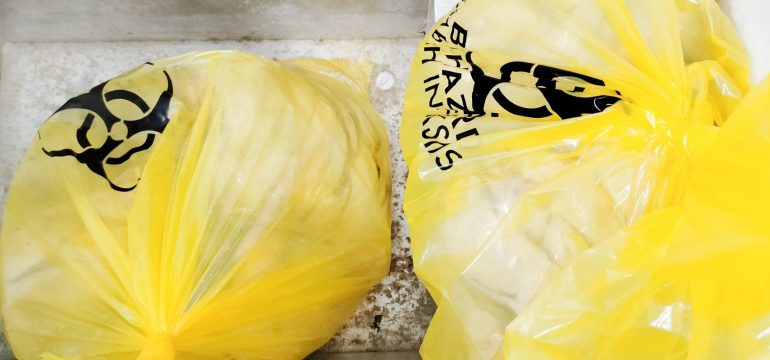
In healthcare services, it’s vital that all members of the team understand the prominent workflows that affect the safety of professionals and patients. This applies to clinical waste disposal, where items can pose a risk of harm immediately after...
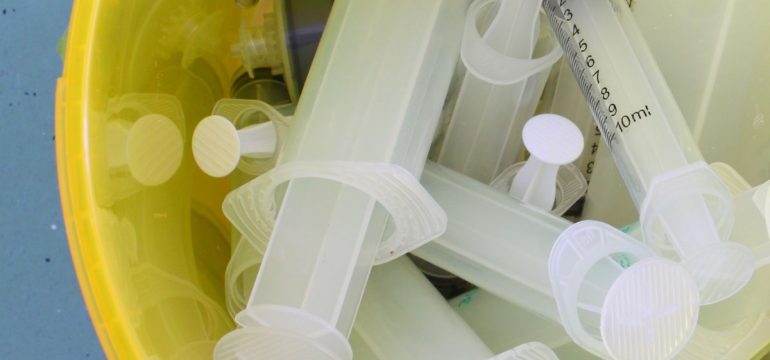
Clinical waste disposal in healthcare services is not always straightforward. A variety of waste items willbe produced every day, in various quantities, during different procedures. Each waste item needs to beassessed for the hazards it presents, and to ensure...

For any clinical team, the safe management of controlled drugs is a balancing act. You have to maintain rigorous compliance, protect your patients, and ensure your staff are supported—all while managing the daily pressures of a busy healthcare setting....
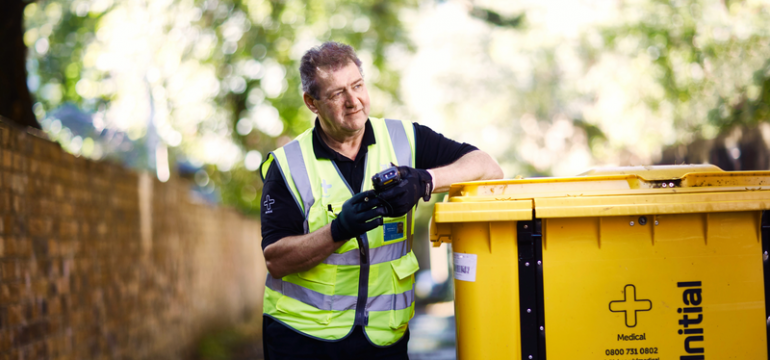
Many items used in everyday healthcare, veterinary and dental practices are disposed of immediately after use. Others may be autoclavable, but inevitably will reach the end of their lifespan. This results in high levels of daily clinical waste creation....