Aesthetic clinics can present a risk of infection for clients if hygiene and waste workflows aren’t properly followed. This means individuals could develop conditions as severe as sepsis without the right protection.
Sepsis is a difficult-to-spot, life-threatening condition. It is caused by abnormal immune system function, where the body damages its own vital organs.
Clinicians should be aware of their responsibilities concerning the management of clinically infected items and waste. Awareness of the guidance in place can keep their clients, and themselves, safe.
How Do People Get Sepsis?
Anyone with an infection can get sepsis, but those people at most risk include:
- Babies under 1, particularly if they were born prematurely or their mother had an infection during pregnancy,
- Those over 75,
- Diabetics,
- Immunocompromised people, for example those receiving chemotherapy treatment,
- Individuals with a genetic disorder that affects their immune system,
- People who have recently had surgery or serious illness,
- Women who have just given birth, had a miscarriage or had an abortion.
Sepsis itself is not a type of infection but is the function of the body overreacting to an infection.
For the aesthetic clinic, this means that clinicians need to prevent infection risks in general, to reduce the potential development of sepsis. This requires a multi-element approach, but current guidance can support your actions.


Good Hand Hygiene
The most obvious and simplest step for aesthetic clinicians is to practice good hand hygiene. This can stop avoidable infection, which directly contributes to sepsis prevention.
Clinicians should wash their hands regularly, especially before using decontaminated equipment and when interacting with clients.
The Coronavirus pandemic made clear the need for regular handwashing and using effective antibacterial hand sanitiser.
Aseptic approaches to care are essential and must be used during any clinical procedure that would bypass the body’s typical defence systems, like injections with needles and cannulae. If a clinician’s hands are not clean, the equipment they use may be contaminated, so will need to be sterilised or discarded.
Clear Post-care Instructions
When clients undergo aesthetic treatments, there is the possibility they could develop an infection if the site isn’t kept clean in the days following care.
Client education is important. As well as understanding what will happen in the aesthetic clinic, clients need good post-care instructions, which will vary depending on the treatment they receive. This may include keeping the area clean and not drinking alcohol for a set period of time.
Written and verbal instructions are useful and should include contact information in case of emergencies.
Safely Manage Your Sharps Waste
A significant infection risk comes from sharps injuries. Aesthetic clinics manage the handling of sharps on a daily basis and items must be autoclaved or discarded after each clinical use.
Sharps disposal requires dedicated containers which minimise puncture risks. Injuries that result from used sharps present the risk of infection, and then potential sepsis, for both clinicians and clients.
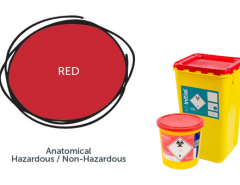
Clinicians can choose to use Eco Sharps Bins from Initial Medical, one of the UK’s leading medical waste management services. These UN-approved bins are made from at least 40% recycled plastic and are puncture-resistant to minimise the risk of accidents. Aesthetic clinics can also choose from a range of colour-coded solutions to successfully meet their waste segregation requirements.

Get in touch with the Initial Medical team to learn more about infection prevention in your aesthetic clinic.